

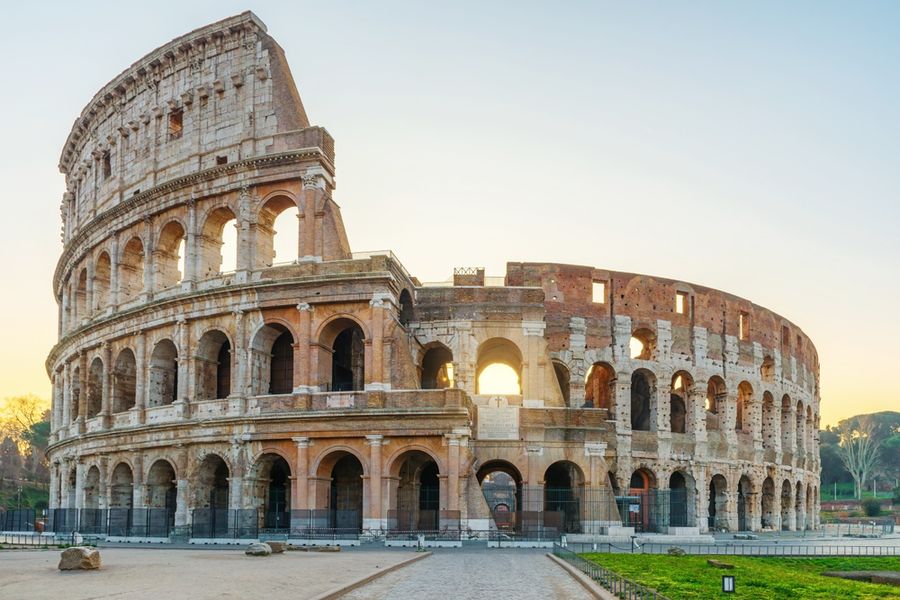
Rome is a city where ancient ruins, beautiful piazzas, and charming cobblestone streets make even an ordinary afternoon feel memorable. With thousands of years of history around nearly every corner, it's tempting to squeeze countless attractions into a short visit. However, experiencing the Eternal City doesn't have to mean racing between landmarks. Three thoughtfully planned days offer enough time to admire iconic sights, enjoy authentic Italian food, and wander neighborhoods at a comfortable pace while leaving room for unexpected experiences along the way.
Rome Three-Day Itinerary at a Glance
|
Day |
Time |
Activities |
|---|---|---|
|
Day 1 |
Morning |
Tour the Colosseum and explore the Roman Forum |
|
Day 1 |
Afternoon |
Visit Palatine Hill and enjoy lunch in Monti |
|
Day 1 |
Evening |
Explore Monti's charming streets and enjoy a traditional Italian dinner |
|
Day 2 |
Morning |
Visit the Vatican Museums and Sistine Chapel |
|
Day 2 |
Afternoon |
Explore St. Peter's Basilica and St. Peter's Square |
|
Day 2 |
Evening |
Walk past Castel Sant'Angelo and enjoy dinner in Prati |
|
Day 3 |
Morning |
Visit the Pantheon, Piazza Navona, and Trevi Fountain |
|
Day 3 |
Afternoon |
Explore the Spanish Steps and surrounding streets |
|
Day 3 |
Evening |
Enjoy dinner and a relaxing stroll through Trastevere |
Day 1 Morning: Step Back in Time at the Colosseum and Roman Forum
Start your first day with one of Rome's most recognizable landmarks, the Colosseum. Standing inside the enormous ancient amphitheater is an unforgettable experience, especially when you imagine the gladiatorial contests and public spectacles that once took place there. Book a timed-entry ticket in advance to avoid disappointment, and consider joining a guided tour if you'd like to better understand the building's fascinating history. Arriving early can also help you enjoy cooler temperatures and a more comfortable sightseeing experience, particularly during summer.
After exploring the Colosseum, continue to the nearby Roman Forum, once the political, religious, and commercial center of ancient Rome. Walking among the ruins reveals remnants of temples, government buildings, and important public spaces that shaped Roman civilization. Highlights include the Temple of Saturn, the Arch of Septimius Severus, and the remains of the Basilica of Maxentius. Rather than rushing to examine every structure, choose a few points of interest and enjoy the atmosphere. The area is expansive, so wear comfortable shoes and bring water.
Day 1 Afternoon and Evening: Explore Palatine Hill and Monti
After visiting the Roman Forum, make your way to Palatine Hill, one of Rome's legendary seven hills. The elevated archaeological area offers wonderful views over the Forum and surrounding city, along with the remains of ancient imperial residences. It's a fascinating place to appreciate Rome's history from a different perspective. Many Colosseum ticket options include access to the Roman Forum and Palatine Hill, making it convenient to explore the attractions together. Allow enough time to enjoy the scenery without feeling pressured to visit every archaeological site.
Once you've finished exploring, head toward Monti, a charming neighborhood located within walking distance of the Colosseum. Its narrow streets are filled with independent boutiques, inviting cafés, and traditional trattorias. Stop for a leisurely lunch, then spend the afternoon browsing shops or enjoying a gelato. Piazza della Madonna dei Monti is a particularly pleasant spot to relax and watch neighborhood life unfold. As evening approaches, choose a local restaurant for dinner and sample classic Roman dishes such as cacio e pepe, carbonara, or amatriciana. Ending your first day with a relaxed meal is far more enjoyable than squeezing in another major attraction.
Day 2 Morning: Discover the Vatican Museums and Sistine Chapel
Begin your second day at the Vatican Museums, home to one of the world's most extraordinary collections of art and historical treasures. The galleries contain everything from ancient sculptures to elaborate Renaissance frescoes, with magnificent rooms and corridors that are attractions in their own right. Among the most famous highlights are the Gallery of Maps, Raphael Rooms, and Sistine Chapel, where Michelangelo's breathtaking ceiling paintings draw visitors from around the world. Even travelers who aren't particularly interested in art will find plenty to appreciate.
Because the Vatican Museums are extensive, plan to spend approximately three hours exploring rather than attempting to see every exhibition. Booking a timed-entry ticket ahead of your visit is strongly recommended, particularly during busy travel seasons. A guided tour can also help you navigate the galleries and understand the most significant artworks. Remember that the Sistine Chapel is a sacred space, so visitors must follow the established dress code and photography restrictions. The museums are generally closed on Sundays, except for certain designated dates, making it important to arrange your itinerary around their operating schedule.
Day 2 Afternoon and Evening: Visit St. Peter's Basilica and Castel Sant'Angelo
After leaving the Vatican Museums, head toward St. Peter's Square and admire the impressive colonnades surrounding the enormous open plaza. From here, visit St. Peter's Basilica, one of the world's most significant religious landmarks. The basilica's interior features extraordinary artwork, elaborate architecture, and Michelangelo's famous Pietà. Admission to the basilica itself is generally free, although security lines can be lengthy, and access may be affected by religious services. Visitors must dress appropriately, with shoulders and knees covered. If you have extra energy, consider climbing the dome for spectacular views, although additional fees apply.
Later in the afternoon, enjoy a leisurely walk toward Castel Sant'Angelo, a historic fortress overlooking the Tiber River. You can admire the impressive exterior and cross the nearby Ponte Sant'Angelo, a beautiful bridge decorated with angel sculptures. Rather than adding another museum visit, spend time enjoying the riverside scenery and taking photographs. For dinner, explore Prati, a neighborhood known for its restaurants, shops, and more relaxed atmosphere away from Rome's busiest tourist squares. It's a wonderful place to enjoy traditional Italian cooking before returning to your accommodations.
Day 3 Morning: Explore the Pantheon, Piazza Navona, and Trevi Fountain
Spend your third morning discovering some of Rome's most beautiful landmarks, many of which are located within a comfortable walking distance of one another. Begin at the Pantheon, an exceptionally preserved ancient Roman building famous for its enormous dome and central oculus. Originally built as a temple and later converted into a church, the Pantheon remains one of the city's greatest architectural achievements. Entry requires a ticket for most visitors, so check availability before arriving. Afterward, enjoy a coffee in nearby Piazza della Rotonda and admire the lively surroundings.
Continue toward Piazza Navona, an elegant public square built over the site of an ancient Roman stadium. The piazza is famous for its beautiful fountains, particularly Bernini's Fountain of the Four Rivers, and is surrounded by colorful buildings and outdoor cafés. From there, wander through the historic streets toward the Trevi Fountain, where visitors gather to admire its elaborate Baroque sculptures. The fountain is especially beautiful in the morning light, although it's popular throughout the day. Take time to enjoy the atmosphere rather than rushing from one landmark to another.
Day 3 Afternoon and Evening: Enjoy the Spanish Steps and Trastevere
After lunch, make your way toward the Spanish Steps, one of Rome's most recognizable gathering places. The grand staircase connects Piazza di Spagna with the Trinità dei Monti church above, creating an impressive setting surrounded by historic buildings and fashionable shopping streets. While sitting on the steps isn't permitted, you can admire the architecture and explore the surrounding neighborhood. Nearby Via dei Condotti is famous for luxury boutiques, while smaller side streets offer interesting shops and inviting cafés. Spend the afternoon browsing, enjoying gelato, or simply wandering at your own pace.
For your final evening, head across the Tiber to Trastevere, a lively neighborhood known for its narrow cobblestone streets, ivy-covered buildings, and inviting restaurants. Explore the streets around Piazza di Santa Maria in Trastevere, where you'll find a beautiful historic basilica and a bustling neighborhood atmosphere. Choose a traditional trattoria for dinner and enjoy one last Italian meal without rushing. Afterward, take a leisurely walk through the illuminated streets or stop for dessert at a nearby gelateria. Trastevere provides a memorable ending to your Rome adventure, offering a taste of the city's everyday charm beyond its famous monuments.
Let Rome's Timeless Charm Set the Pace
Three days in Rome may not be enough to experience everything the city offers, but it's plenty of time to enjoy its most famous attractions without turning your vacation into an exhausting checklist. By grouping nearby landmarks together, you can spend less time traveling across the city and more time appreciating the places you've come to see. From exploring the ancient ruins around the Colosseum to admiring Vatican masterpieces and strolling through beautiful piazzas, every day offers a different perspective on the Eternal City.
Before traveling, reserve tickets for popular attractions and familiarize yourself with Rome's public transportation options. Comfortable walking shoes are essential, since uneven cobblestones and long distances are part of the experience. If possible, visit during spring or fall when temperatures are generally more comfortable for sightseeing. Most importantly, leave some flexibility in your plans. Some of Rome's most memorable experiences happen unexpectedly, whether it's finding a quiet courtyard, enjoying an incredible plate of pasta, or stumbling upon a beautiful fountain. With a relaxed itinerary, you'll have time to appreciate what makes Rome so special.