

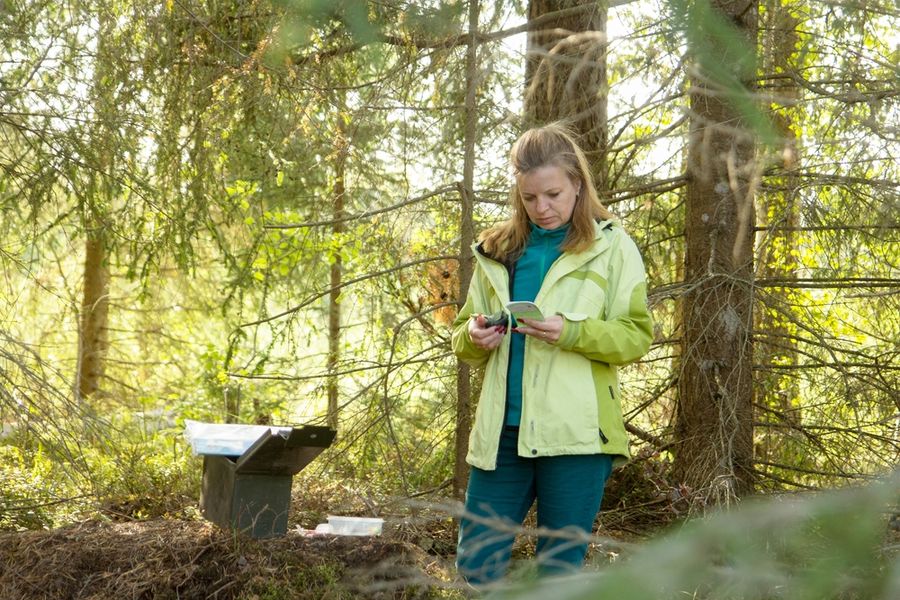
What if an ordinary walk through your neighborhood could turn into a real-life treasure hunt? Geocaching is an outdoor hobby that combines adventure, problem-solving, and the excitement of finding hidden objects in unexpected places. From local parks to scenic hiking trails, small treasures are waiting to be found by anyone willing to look. Best of all, getting started doesn't require expensive equipment or special skills. With a smartphone, a little curiosity, and some comfortable shoes, you can turn everyday outings into exciting adventures.
Understand What Geocaching Is and How It Works
Geocaching is a worldwide treasure-hunting activity where participants use GPS coordinates to locate hidden containers called geocaches. The containers are placed by other members of the geocaching community and can be found in public parks, wooded areas, urban neighborhoods, and other permitted locations. Some caches are large enough to hold small trinkets, while others are tiny containers barely bigger than a fingernail. Every traditional geocache contains a logbook or paper log where successful finders can record their visit.
The basic idea is simple: choose a geocache, follow its coordinates, and search for the hidden container. Once you find it, sign the logbook and return everything to its original location so other people can enjoy the challenge. You can also record your find online and share a little about your experience. Unlike traditional treasure hunts, the goal isn't to keep the hidden container. Instead, the excitement comes from solving the mystery, finding something cleverly concealed, and seeing familiar surroundings from a different perspective.
Download a Geocaching App and Find Nearby Locations
Getting started is surprisingly easy because your smartphone can handle most of the navigation. The official Geocaching app, available for iPhone and Android, allows you to create an account, search for nearby caches, and view their locations on an interactive map. You can begin with a basic membership, which provides access to beginner-friendly caches, while a paid Premium membership unlocks additional listings and features. There's no need to upgrade immediately, especially when you're still learning how the activity works.
After creating an account, open the map and look for geocaches near your home. Each listing includes useful information such as the container size, difficulty rating, terrain rating, description, and recent activity. Difficulty ratings describe how challenging a cache may be to find, while terrain ratings indicate the physical effort required to reach it. Beginners should look for caches with lower ratings in accessible locations. Reading recent comments can also help you determine whether a container is likely still in place. Start somewhere familiar before attempting more challenging locations.
Choose an Easy Geocache for Your First Adventure
Your first geocaching trip should be enjoyable rather than frustrating, so choosing the right cache matters. Look for a traditional geocache with a difficulty rating of 1 or 1.5 and a low terrain rating. Larger containers are often easier to locate than tiny magnetic caches hidden in busy urban areas. Parks and established walking trails can be good starting points because they provide relatively straightforward access. Check the description carefully, since some caches require specific approaches or have restrictions on when they're accessible.
Once you've selected a cache, use the app's navigation feature to get close to the coordinates. Keep in mind that GPS accuracy can vary, particularly beneath trees or near tall buildings. When you're nearby, look for natural hiding places such as hollow logs, gaps in rocks, or other spots mentioned in the description. Read the available hint if you're struggling, and don't hesitate to check recent logs for clues. Avoid dismantling objects, digging, or damaging vegetation while searching. Sometimes, your first attempt won't be successful, but figuring out where to look is part of the fun.
Bring a Few Essentials and Keep Safety in Mind
Geocaching doesn't require specialized outdoor equipment, but a few supplies can make your outings more comfortable. Your smartphone is the most important tool, followed closely by a pen for signing logbooks. Some smaller caches contain only a rolled-up piece of paper, so they may not have room for a writing utensil. Comfortable walking shoes, drinking water, weather-appropriate clothing, and a portable phone charger are also useful, especially when visiting several locations during one outing.
Safety should always come before finding a hidden container. Check the weather, understand the terrain, and avoid searching in dangerous or restricted areas. If you're heading somewhere unfamiliar, tell someone where you're going and consider bringing a friend. Be cautious around steep slopes, waterways, and busy roads, and remember that GPS directions don't always account for obstacles. Only search in locations where public access is permitted, and follow posted park hours and property rules. It's also wise to save relevant map information before heading somewhere with unreliable cell service. No geocache is worth risking an injury or entering unsafe terrain.
Learn the Rules for Trading Treasures and Signing Logbooks
Finding your first geocache is exciting, especially when you open the container and see what previous visitors have left behind. Some larger caches contain small toys, keychains, stickers, or other inexpensive treasures. If you'd like to take an item, the general rule is to leave something of equal or greater value in return. Trading is entirely optional, and many caches are too small to hold anything beyond a logbook. Avoid leaving food, scented products, dangerous objects, or items that could damage the container.
You may also encounter special items called trackables, which are designed to travel between geocaches. Unlike ordinary trade items, trackables have unique tracking codes and sometimes specific destinations or missions. If you take one, you'll need to record its movement online and place it in another suitable cache rather than keeping it as a souvenir. After signing the logbook, close the container securely and return it exactly where you found it. Record your visit in the app, and avoid revealing the hiding location in your public comments. Following basic geocaching etiquette helps preserve the experience for everyone.
Make Geocaching a Regular Outdoor Adventure
Once you've found a few geocaches, you may be surprised by how many different experiences the hobby offers. Some containers are hidden along scenic trails, while others lead participants to historic landmarks, public artwork, or overlooked neighborhood attractions. Traditional caches are a great starting point, but you can eventually try multi-caches that involve visiting several locations or mystery caches that require solving puzzles before finding the final coordinates. Each type introduces a different challenge and keeps the activity interesting.
Consider setting small goals, such as finding five caches in your neighborhood or visiting a new park each month. Geocaching can also make road trips and vacations more entertaining because you can search for caches near places you're already visiting. If you enjoy meeting people with similar interests, look for local geocaching events where participants share tips and experiences. After gaining enough experience, you might even consider hiding your own cache, provided you follow official guidelines and obtain the necessary permissions. There's always another challenge waiting whenever you're ready for a new adventure.
Turn an Ordinary Outing Into a Treasure Hunt
Geocaching is a wonderful hobby because it combines fresh air, curiosity, and the satisfaction of solving a small mystery. You don't need expensive equipment, advanced navigation skills, or an adventurous travel itinerary to begin. A smartphone, comfortable shoes, and a willingness to look a little closer at your surroundings are enough for your first outing. Whether you're searching for a tiny container in a neighborhood park or following clues along a wooded trail, every successful find offers a little sense of accomplishment.
Start with beginner-friendly caches, take your time learning the rules, and remember that finding the treasure isn't the only reason to participate. Along the way, you might visit a beautiful park, learn something about a local landmark, or spend an enjoyable afternoon with family and friends. Some searches will be easy, while others may test your patience and problem-solving skills. That's part of what makes geocaching so entertaining. With countless hiding places and new challenges to try, even familiar locations can offer surprising adventures.