

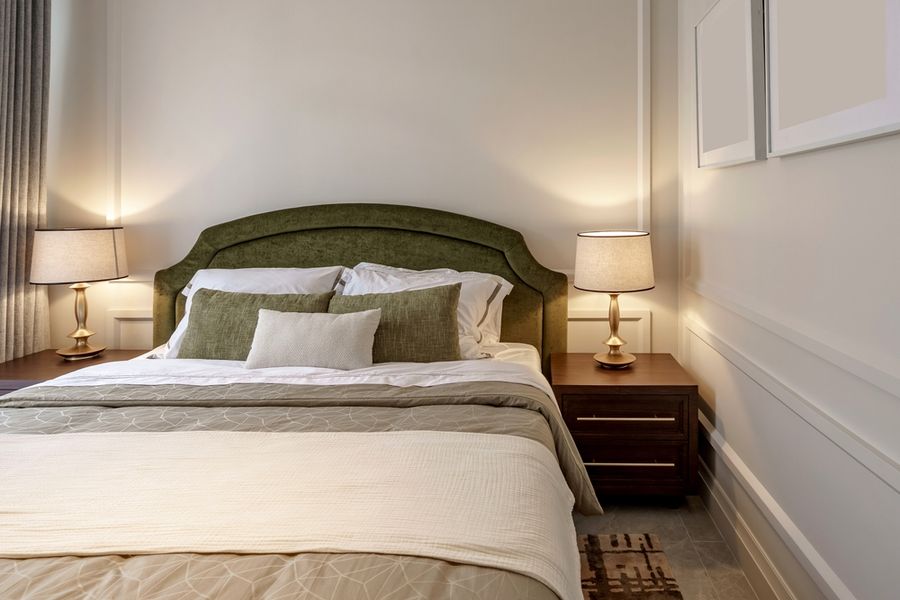
Your bedroom should feel like a comfortable retreat, but an outdated layout, poor lighting, or cluttered surfaces can make the space less inviting than you'd like. Fortunately, refreshing a bedroom doesn't have to involve buying new furniture or completely redecorating. Small, thoughtful adjustments can improve comfort, create a more polished appearance, and even make a compact room feel more spacious. Whether you're working with a tight budget or simply want a fresh look, a few easy updates can go a long way.
Refresh Your Bedding for an Instant Makeover
Your bed is usually the largest piece of furniture in the bedroom, so even a simple bedding update can change the entire room's appearance. Start with fresh sheets, a comfortable duvet or comforter, and pillowcases that complement your existing decor. Neutral colors can create a peaceful atmosphere, while soft blues, greens, and warm earth tones add personality without overwhelming the space. You don't need an expensive bedding set to achieve a coordinated look. Mixing a few complementary colors and textures can be just as effective.
Layering also makes a bed look more inviting. Consider adding a lightweight throw blanket across the foot of the bed or incorporating a couple of decorative pillows. However, avoid piling on so many accessories that making the bed feels like a daily chore. Also, choose breathable materials suited to your sleeping preferences and the local climate. The goal is to create a comfortable, attractive sleeping area that looks polished without requiring much maintenance.
Rearrange Furniture to Improve the Layout
Sometimes, the most effective bedroom makeover doesn't cost anything. Rearranging existing furniture can improve how the room looks and functions, particularly when the current layout makes it difficult to move around. Start by evaluating the placement of your bed, dresser, and nightstands. If possible, position the bed where it's easy to access from both sides without blocking doors, closets, or windows. Even shifting a dresser to another wall can open up valuable floor space.
Pay attention to how you naturally move through the bedroom. You shouldn't have to squeeze between furniture or navigate around obstacles when getting dressed. In smaller rooms, replacing an oversized nightstand with a compact table or wall-mounted shelf can free up space. Before moving heavy furniture, measure available wall space and consider electrical outlets and heating vents. A layout that supports your daily routine will often feel more comfortable than one arranged purely for appearance.
Improve the Lighting for a More Relaxing Atmosphere
Lighting plays a major role in how a bedroom feels, yet it's often overlooked during decorating updates. A single bright ceiling fixture may provide enough illumination for cleaning, but it rarely creates the warm, comfortable atmosphere people want when winding down. Adding bedside lamps, wall sconces, or other accent lighting can make the room feel softer and more welcoming. Warm-white bulbs are particularly useful for creating a cozy environment without making the space excessively dim.
Think about the different activities that take place in your bedroom. Reading requires focused lighting, while getting dressed benefits from brighter illumination. If you have limited nightstand space, plug-in wall sconces or compact bedside lamps can provide practical alternatives. Consider using dimmable bulbs in compatible fixtures to adjust brightness throughout the day. You can also make better use of natural light by keeping windows unobstructed when privacy allows. Combining practical lighting with softer accents creates a bedroom that's functional during the day and relaxing at night.
Make Better Use of Your Nightstands
Nightstands may be small, but they have a surprisingly large influence on how organized a bedroom feels. When they're covered with tangled charging cables, half-empty water glasses, books, and miscellaneous belongings, the entire room can appear cluttered. Start by removing anything you don't regularly need beside the bed. Keep a few practical essentials, such as a lamp, alarm clock, book, or glass of water, and find another home for everything else.
A small tray can help organize frequently used items while making the surface look more intentional. If your nightstand has drawers, use dividers to prevent smaller belongings from getting lost. Bedrooms with limited space may benefit from narrow nightstands or floating shelves that provide storage without occupying much floor area. You can also use simple cable clips to keep charging cords under control. A tidy nightstand makes the bedroom feel calmer and helps ensure that everything you need before bed is easy to find.
Use Curtains and Rugs to Soften the Room
Window treatments and rugs can make a bedroom feel more finished without requiring major decorating changes. Curtains help control natural light, provide privacy, and introduce texture to otherwise plain walls. Hanging curtain rods slightly above the window frame can create the impression of greater ceiling height, while wider panels allow the curtains to frame the window more generously when open. Choose fabrics that complement your room's colors and consider blackout curtains if outside light regularly disrupts your sleep.
An area rug can also improve the bedroom's comfort and appearance, particularly if the room has hardwood, laminate, or tile flooring. Placing a rug partially beneath the bed can help anchor the furniture and create a more cohesive layout. Make sure the rug extends far enough beyond the bed to be useful when getting up. In compact bedrooms, a small washable rug beside the bed may be more practical. Select materials that are comfortable underfoot and manageable to clean.
Add Storage Without Making the Room Feel Crowded
A bedroom can feel smaller than it actually is when clothing, shoes, and personal belongings don't have designated storage spaces. However, adding more furniture isn't always the best solution. Instead, look for opportunities to use the storage you already have more efficiently. Under-bed containers can hold seasonal clothing or extra bedding, while closet organizers help make shelves and hanging areas more useful. Drawer dividers can also create order without taking up additional space.
Vertical storage is another effective option, especially in smaller bedrooms. Wall hooks can hold robes or accessories, while floating shelves provide room for books and lightweight decorative items. Keep shelving arrangements relatively simple so the walls don't feel crowded, and make sure wall-mounted storage is securely installed. If you're considering multifunctional furniture, a storage bench or bed frame with built-in drawers may help reduce the need for separate pieces. The best storage solutions keep everyday items accessible while allowing the room to maintain an open, comfortable appearance.
A More Comfortable Bedroom Starts With the Details
A successful bedroom refresh doesn't require an elaborate decorating plan or a large budget. Often, the smallest changes have the greatest influence on how the space feels. Fresh bedding can make the bed more inviting, better lighting can create a relaxing atmosphere, and a thoughtful furniture arrangement can improve the way you move around the room. Even clearing unnecessary items from your nightstand can make your surroundings feel noticeably more organized.
Rather than changing everything at once, focus on the improvements that will make your everyday routine more comfortable. You might benefit most from additional storage, softer curtains, or simply rearranging furniture you've owned for years. Take time to consider what works well and what could function better before spending money on new accessories. A bedroom that reflects your personal style while supporting your daily needs will always feel more welcoming than one designed only to look good in photographs.