

Owning a home comes with plenty of responsibilities, but some of the most important maintenance tasks are surprisingly easy to overlook. A clogged gutter, worn window seal, or neglected appliance might seem harmless until a small problem turns into an expensive repair. Fortunately, keeping your home in good condition doesn't always require professional help or a large budget. A little preventive care can protect your property, extend the life of essential systems, and help you avoid unexpected expenses down the road.
Clean Your Gutters Before They Cause Water Damage
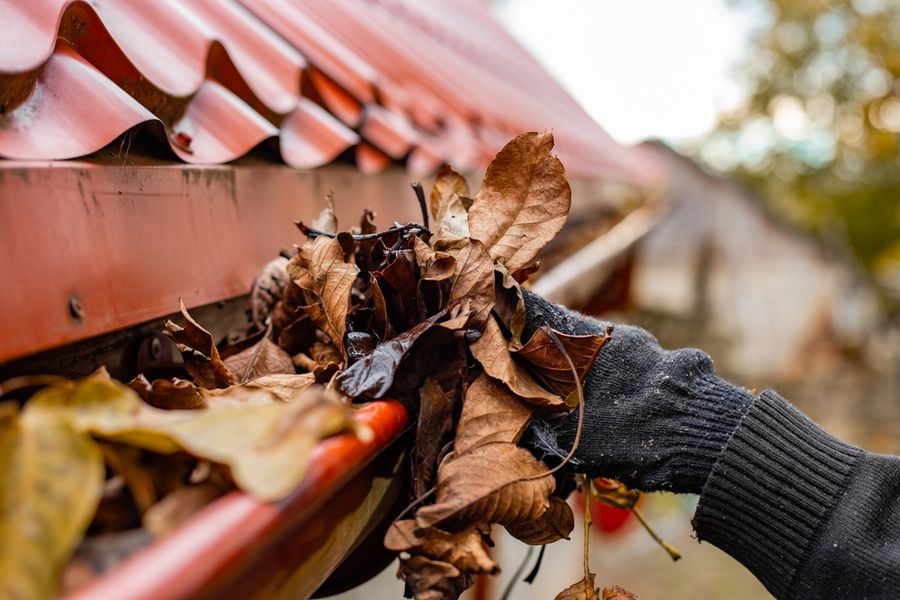
Gutters play an important role in protecting your home by directing rainwater away from the roof, siding, and foundation. However, leaves, twigs, and other debris can accumulate over time, preventing water from flowing properly. When gutters become clogged, rainwater may overflow and run down exterior walls or collect near the foundation. Over time, excessive moisture can contribute to damaged siding, wood rot, basement leaks, and other expensive problems that could have been prevented with routine maintenance.
Inspect your gutters at least twice a year, typically in spring and fall, and more frequently if your property has overhanging trees. Remove accumulated debris and check that downspouts direct water away from the house. During heavy rain, look for overflowing sections or water pooling near the foundation. If your gutters are difficult to reach, hiring a professional is safer than climbing an unstable ladder. Keeping the drainage system clear is a relatively small investment compared with repairing extensive water damage.
Reseal Windows and Doors to Prevent Drafts and Moisture
Small gaps around windows and exterior doors can cause more trouble than you might expect. Worn caulking, damaged weatherstripping, and deteriorating seals allow outside air to enter, making heating and cooling systems work harder to maintain comfortable indoor temperatures. Depending on the location and severity of the gaps, moisture may also find its way inside. Over time, repeated water intrusion can damage drywall, insulation, and wooden framing.
Inspect the edges of windows and doors for cracked caulk, peeling sealant, or visible openings. Replace damaged weatherstripping and apply an appropriate exterior-grade sealant to gaps that are meant to be sealed. Before adding new caulk, remove loose material and clean the surface so the replacement adheres properly. Avoid sealing drainage openings designed to let water escape from window assemblies. You can also check for drafts on windy days by feeling around the frames. Addressing minor sealing problems early can improve comfort, reduce unnecessary energy loss, and help protect surrounding materials.
Clean Your Dryer Lint Filter and Vent Regularly
Your clothes dryer might seem like a low-maintenance appliance, but lint buildup can create serious problems when it's ignored. The lint filter captures fibers released during drying, yet some lint still travels into the exhaust vent. Over time, accumulated material can restrict airflow, making the dryer less efficient and potentially increasing the risk of a fire. Clothes that take unusually long to dry or come out hotter than expected may indicate an airflow problem.
Clean the lint filter before or after every load, even when it doesn't appear particularly full. Periodically inspect the outdoor exhaust opening to make sure it isn't blocked by lint, debris, or other obstructions. The entire dryer exhaust duct should also be cleaned as needed, typically at least once a year, depending on usage and the manufacturer's recommendations. If the vent is difficult to access or has a complicated route, consider hiring a professional. Never operate a dryer with a blocked exhaust, and avoid using it when you're asleep or away from home.
Replace HVAC Filters Before They Become Clogged
Heating and cooling systems work hard throughout the year, but homeowners sometimes forget about one of their simplest maintenance needs: the air filter. As an HVAC filter collects dust, pet hair, and other airborne particles, airflow can gradually become restricted. A severely clogged filter may force the system to work harder, reduce heating or cooling performance, and contribute to unnecessary wear on certain components.
Check your HVAC filter regularly and replace or clean it according to the system manufacturer's instructions. Some disposable filters need replacement approximately every one to three months, although the appropriate schedule depends on filter type, household conditions, and equipment requirements. Homes with pets, heavy dust, or frequent system use may need more attention. Make sure replacement filters are the correct size and suitable for your equipment, since an overly restrictive filter can also cause airflow problems. While changing filters is a simple homeowner task, professional servicing is still important for inspecting mechanical components and identifying issues that aren't immediately visible.
Check for Small Plumbing Leaks Before They Get Worse
A slow drip beneath the kitchen sink or a small leak around the toilet might not seem particularly urgent, especially when the water isn't causing an obvious mess. However, even minor plumbing problems can lead to significant damage when they're allowed to continue. Moisture trapped inside cabinets, beneath flooring, or behind walls can encourage mold growth and gradually weaken surrounding materials. Some leaks also waste a surprising amount of water over time.
Make a habit of checking beneath sinks, around toilets, behind accessible appliances, and near exposed plumbing connections. Look for damp surfaces, discoloration, musty odors, or signs of corrosion. Periodically inspect washing machine hoses and connections for cracks, bulges, or moisture. If you notice a dripping faucet or running toilet, address the problem rather than waiting for it to worsen. Simple repairs like replacing a worn washer or toilet flapper may be manageable for homeowners with basic tools. However, hidden leaks, damaged supply lines, and recurring plumbing problems are better handled by a qualified plumber.
Maintain Caulking and Grout in Bathrooms
Bathrooms are exposed to moisture every day, making them particularly vulnerable to water-related damage. Caulking around bathtubs, showers, and sinks helps prevent water from entering gaps between fixtures and surrounding surfaces. Grout fills the spaces between tiles, but it isn't always waterproof on its own. When caulk begins cracking or peeling, or when grout deteriorates, moisture may reach areas that aren't designed for repeated water exposure.
Inspect shower corners, bathtub edges, sink backsplashes, and tiled surfaces regularly. Look for missing caulk, loose tiles, crumbling grout, or persistent dampness. Small sections of deteriorated caulk can often be removed and replaced using a suitable bathroom sealant, provided the underlying area is dry and undamaged. Follow product instructions for curing before exposing the surface to water. Some tile installations also require periodic sealing, depending on the materials used. If you notice soft walls, loose flooring, or recurring moisture problems, arrange a professional inspection rather than simply covering the symptoms with fresh caulk.
Small Maintenance Habits Can Save Big Headaches
Home maintenance doesn't have to mean spending every weekend tackling complicated repairs. Many of the most valuable tasks involve simple inspections, routine cleaning, and addressing minor problems before they become serious. Clearing gutters, maintaining dryer vents, replacing HVAC filters, and checking for leaks can help protect expensive parts of your home. Regular attention also makes it easier to recognize when something isn't working properly, giving you an opportunity to act before damage spreads.
Consider creating a seasonal maintenance checklist so important tasks don't get forgotten. Some jobs, like cleaning a dryer lint filter, should happen frequently, while others can be scheduled every few months or during seasonal changes. Keep basic supplies on hand and make a note of any issues that need professional attention. You don't need to be an experienced DIY enthusiast to take good care of your property. Consistent preventive maintenance can help extend the life of your home's systems, reduce avoidable repair costs, and provide greater peace of mind.