

A beautifully decorated home can make everyday life feel a little more special, but not every design trend works as well as it looks. Some popular decorating choices are surprisingly difficult to maintain, while others sacrifice comfort or convenience for appearance. What looks stunning in a magazine or on social media might create unexpected frustrations at home. Before committing to a trendy makeover, it's worth considering whether those picture-perfect design choices will actually suit your lifestyle.
Open Shelving in the Kitchen
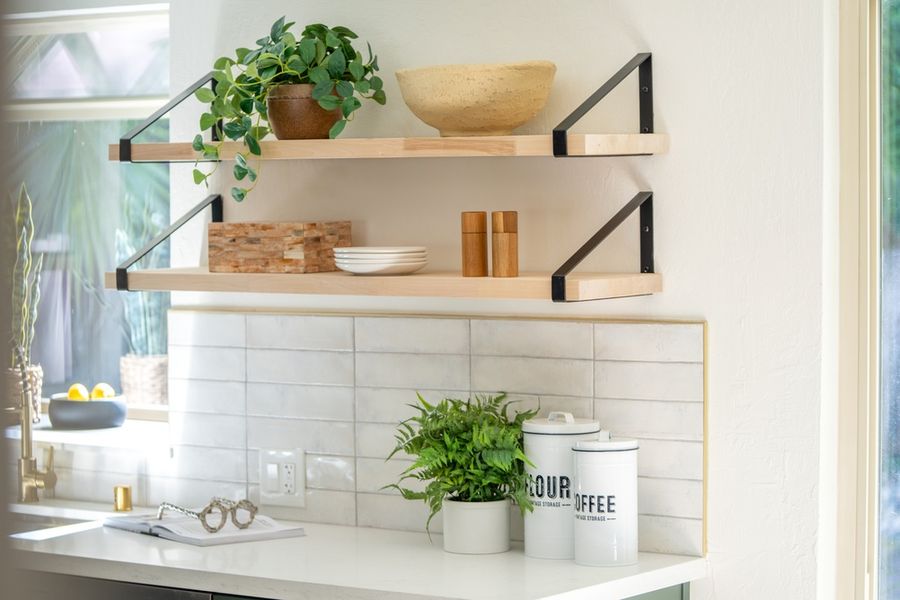
Open kitchen shelving has become a favorite in modern home design, offering a light, airy appearance that makes dishes and decorative accessories part of the room's overall style. It's especially appealing in smaller kitchens, where traditional upper cabinets can sometimes feel bulky. Beautifully arranged plates, glassware, and matching containers create an inviting look, but maintaining that appearance takes more effort than many homeowners expect.
Without cabinet doors, everything on display collects dust, airborne grease, and cooking residue. Everyday dishes may need extra cleaning, especially when shelves sit near the stove. Open storage also leaves little room for mismatched mugs, colorful food packaging, or other necessities that aren't particularly decorative. If you love the look, consider replacing just one upper cabinet with open shelves while keeping most of your kitchen storage concealed behind doors.
All-White Furniture and Upholstery
White sofas, upholstered chairs, and area rugs can make a living room feel bright, spacious, and effortlessly elegant. Neutral interiors also offer plenty of decorating flexibility, allowing homeowners to change accent colors without replacing major furniture pieces. However, maintaining pristine white upholstery can be challenging in homes with children, pets, or frequent guests. Even ordinary daily activities can leave noticeable marks on light-colored fabrics.
Coffee spills, muddy paws, makeup stains, and everyday wear are much harder to overlook on white surfaces. Some fabrics also absorb stains quickly, making regular cleaning a necessity rather than an occasional chore. Fortunately, you don't have to abandon light colors entirely. Consider performance fabrics, washable slipcovers, or furniture in warm beige and soft gray instead. Those options can provide a similarly fresh appearance while being more forgiving of everyday messes.
Floating Bathroom Vanities
Floating bathroom vanities have become a popular feature in contemporary bathrooms, creating a streamlined appearance while exposing more of the floor. Their wall-mounted design can make compact spaces feel larger, and the open area underneath can simplify certain cleaning tasks. Paired with modern mirrors and minimalist fixtures, floating vanities offer a sophisticated look that's especially attractive in newly renovated bathrooms.
However, their sleek design can introduce practical challenges. Depending on the model, floating vanities may offer less storage than traditional floor-standing cabinets. Installation also requires proper wall support, which can increase renovation costs, particularly when plumbing needs adjustment. The exposed floor underneath can collect dust and hair, too. Before choosing one, think about how much storage your household actually needs. A floating vanity with deep drawers can offer a better balance between style and practicality than a minimalist model with limited cabinet space.
Oversized Statement Light Fixtures
Large pendant lights, dramatic chandeliers, and sculptural fixtures can instantly give a room personality. They're particularly popular above dining tables, kitchen islands, and in entryways where designers want to create a strong focal point. When chosen carefully, statement lighting can make an otherwise simple room feel thoughtfully designed. However, bigger doesn't always mean better, especially when the fixture's proportions don't match the space.
Oversized lighting can overwhelm smaller rooms, interfere with sightlines, or hang too low above areas where people regularly walk. Elaborate fixtures with multiple glass pieces or intricate metalwork may also require frequent dusting. Some designs produce less useful light than expected, despite their impressive appearance. Before purchasing a statement fixture, measure the available space and consider ceiling height, brightness, and cleaning requirements. Choosing a slightly smaller design can often deliver the same visual impact without creating unnecessary obstacles.
Dark Walls and Moody Interiors
Deep green, navy blue, charcoal, and rich burgundy have become popular choices for creating cozy, dramatic interiors. Dark paint colors can give bedrooms, dining rooms, and living spaces a sophisticated atmosphere, especially when paired with warm lighting and natural materials. They can also help highlight artwork and architectural details. Still, homeowners sometimes underestimate how much a dark color can change the overall feeling of a room.
In spaces with limited natural light, deep colors can make an interior feel smaller or dimmer than intended. Dark painted surfaces may also reveal dust, fingerprints, and scuffs, particularly with certain finishes. Achieving a smooth, even appearance can require careful preparation and additional coats of paint. If you're interested in a moody color palette, try it in a smaller space or on a single accent wall first. Testing large paint samples at different times of day can help prevent an expensive decorating disappointment.
Minimalist Rooms With Almost No Storage
Minimalist interiors are admired for their clean lines, open surfaces, and uncluttered appearance. Carefully selected furniture and a restrained color palette can create a peaceful environment that feels organized and welcoming. However, achieving the perfectly minimalist rooms seen in design photographs can be difficult when a household needs space for everyday belongings. Shoes, paperwork, electronics, children's toys, and cleaning supplies all need somewhere to go.
Removing too much furniture or storage can actually make a home harder to keep tidy. Without designated places for necessities, clutter tends to collect on countertops, tables, and other visible surfaces. Minimalist furniture can also sacrifice comfort when appearance takes priority over functionality. Instead of eliminating storage, look for attractive solutions that blend into the room. Closed cabinets, storage ottomans, and beds with built-in drawers can help maintain a streamlined look while keeping everyday essentials within easy reach.
A Beautiful Home Should Still Feel Livable
Decorating trends can provide wonderful inspiration, but the most successful interiors balance appearance with everyday practicality. A room shouldn't require constant cleaning, careful maneuvering around furniture, or major lifestyle changes just to maintain its intended look. Before investing in a popular design feature, consider how often the space gets used, who uses it, and how much maintenance you're comfortable handling. A beautiful home should make daily routines easier, not add unnecessary work.
Fortunately, enjoying a trend doesn't mean embracing every detail. Open shelving can work beautifully in small doses, darker colors can add character to carefully chosen spaces, and minimalist decorating can still include plenty of hidden storage. The key is adapting popular ideas to fit your household rather than copying an entire room from a photograph. When comfort, function, and personal style work together, your home can look great while remaining a place you genuinely enjoy living in.