

Coin collecting is a fascinating hobby that turns everyday pocket change into an opportunity to learn something new. From unusual designs and historic dates to coins minted in different countries, even ordinary-looking money can have an interesting story behind it. Best of all, building a collection doesn't require rare treasures or expensive purchases. With a little curiosity and an eye for detail, you can start collecting coins for just a few dollars while learning about history, art, and the stories behind different currencies.
Start by Checking Your Everyday Pocket Change
One of the easiest ways to begin collecting coins is by looking through the change you already have. Pennies, nickels, dimes, and quarters can provide plenty of interesting finds without requiring any additional spending. Pay attention to unusual dates, different designs, and small letters known as mint marks, which identify where certain coins were produced. Even if a coin isn't particularly valuable, it might represent an interesting year, historical event, or design that you'd like to include in your collection.
Make a habit of checking your change after shopping or emptying your pockets. You can also sort through coins you've accumulated in jars, drawers, or old containers around the house. If you find something interesting, set it aside and research its background before assuming it's rare. Most circulating coins are worth only their face value, but collecting doesn't have to be about finding expensive treasures. The enjoyment comes from noticing differences, learning about their origins, and gradually building a collection that reflects your interests.
Look for Interesting Coins at Banks and Coin Shops
Your own pocket change is a great starting point, but there are other affordable ways to find coins. Some banks may exchange cash for rolls of coins, allowing collectors to search through pennies, nickels, dimes, or quarters for interesting dates and designs. Known as coin roll hunting, the activity is popular among hobbyists who enjoy examining circulating coins. You'll generally be able to exchange unwanted coins back for their face value, although bank policies, availability, and any fees can vary.
Local coin shops are another excellent resource, particularly when you're ready to purchase inexpensive collectible coins. Many dealers offer affordable foreign coins, older circulated pieces, and mixed bargain bins suitable for beginners. Coin shows can also provide opportunities to browse different collections and speak with experienced collectors. Before purchasing anything, compare prices and learn a little about the coins that interest you. Avoid buying expensive pieces simply because a seller describes them as rare. Starting with affordable finds allows you to enjoy the hobby while developing your knowledge.
Choose Fun and Affordable Coins to Collect
One of the best things about coin collecting is the variety of themes you can pursue. U.S. quarters are particularly appealing to beginners because several programs feature unique designs. The 50 State Quarters Program, released between 1999 and 2008, included designs representing every state. The America the Beautiful Quarters Program featured national parks and other important sites, while the American Women Quarters Program, issued from 2022 through 2025, honored influential women in American history. Collecting different designs can make an ordinary handful of change surprisingly interesting.
Other beginner-friendly options include Lincoln wheat pennies, which were minted from 1909 through 1958, and Jefferson nickels featuring different dates and mint marks. Foreign coins are another fun choice because they introduce different languages, national symbols, and artistic styles. You could collect coins from countries you've visited or focus on pieces featuring animals, landmarks, or historical figures. Rather than trying to collect everything, choose a theme that genuinely interests you. Having a specific goal makes searching more enjoyable and gives your collection a sense of purpose.
Learn How to Identify Coins and Understand Their Value
As your collection grows, learning a few basic identification skills will help you better understand what you've found. Start by examining the date, denomination, design, and mint mark. Coins from the same year may have been produced at different mints, and certain combinations are less common than others. Condition also plays an important role in a coin's potential value. Collectors often use grading systems to describe how much wear a coin has experienced, ranging from heavily circulated examples to coins that show no signs of circulation.
However, an old coin isn't automatically valuable, and unusual-looking coins aren't necessarily rare. Minting quantities, collector demand, metal content, condition, and authenticity all influence prices. Use reputable coin catalogs, established dealer listings, and completed auction sales to research potential values rather than relying on exaggerated online asking prices. The Professional Coin Grading Service and Numismatic Guaranty Company also provide educational resources and price information. Keep in mind that published price guides are estimates, not guarantees of what a coin will sell for. Understanding the basics can help you make informed decisions without overspending.
Store and Organize Your Collection Properly
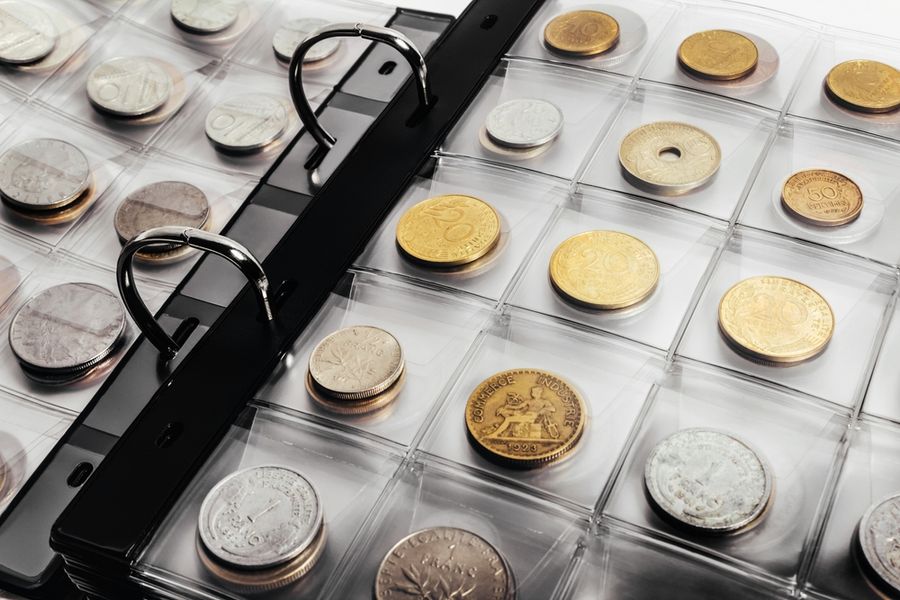
You don't need an expensive display cabinet to keep a coin collection organized, but proper storage is important for protecting your finds. Coins can develop scratches, discoloration, or surface damage when they're stored loosely together or handled frequently. Inexpensive cardboard coin holders, archival-quality flips, and coin albums are useful options for beginners. Look for materials specifically designed for long-term coin storage, and avoid soft plastic holders containing PVC, which can damage coin surfaces over time.
When handling collectible coins, hold them by their edges rather than touching the front and back surfaces. Oils and moisture from your fingers can leave marks, especially on coins in better condition. It's also important to avoid cleaning coins with household products, abrasive cloths, or polishing solutions. Cleaning can permanently alter their surfaces and significantly reduce their collector value. Organize your collection by date, country, denomination, or theme, depending on your interests. A simple notebook or spreadsheet can help you record each coin's details, where you found it, and what you paid. Good organization makes collecting more enjoyable and helps prevent unnecessary duplicate purchases.
Set a Budget and Learn From Other Collectors
Coin collecting can be an inexpensive hobby, but it's easy to get carried away when you start seeing rare or unusual pieces for sale. Setting a monthly budget helps keep spending manageable while encouraging you to focus on coins you genuinely enjoy. You might decide to spend only a few dollars each month or limit purchases to coins that fill specific gaps in your collection. There's no need to compete with experienced collectors who have spent years acquiring valuable pieces.
Joining a local coin club or participating in beginner-friendly collecting communities can also help you develop your knowledge. Experienced collectors may offer advice about identifying coins, understanding grades, recognizing counterfeits, and finding reputable dealers. Coin shows and educational events provide opportunities to see unusual pieces without feeling obligated to purchase anything. If you're considering an expensive coin, take time to research the seller and consider whether professional authentication is appropriate. Remember that collecting coins is a hobby, not a guaranteed investment strategy. Building knowledge and enjoying the process should matter more than trying to predict which coins might increase in value.
A Rewarding Collection Doesn't Need a Big Price Tag
Starting a coin collection is easier and more affordable than many people realize. A few interesting quarters, an old penny, or a coin brought home from another country can provide the foundation for a hobby that lasts for years. By checking everyday change, choosing affordable collecting themes, and learning how to identify your finds, you can build a meaningful collection without spending much money. Proper storage and a little organization will also help protect your coins as your interest grows.
The most enjoyable collections often reflect personal curiosity rather than financial value. You might love finding coins from different decades, completing a set of state quarters, or learning about historical figures featured on foreign currency. Start small, take your time, and don't feel pressured to purchase rare or expensive specimens. Every new coin offers another opportunity to learn something about history, design, or the world around you. With patience and a little attention to detail, even ordinary pocket change can become the beginning of a fascinating collection.