

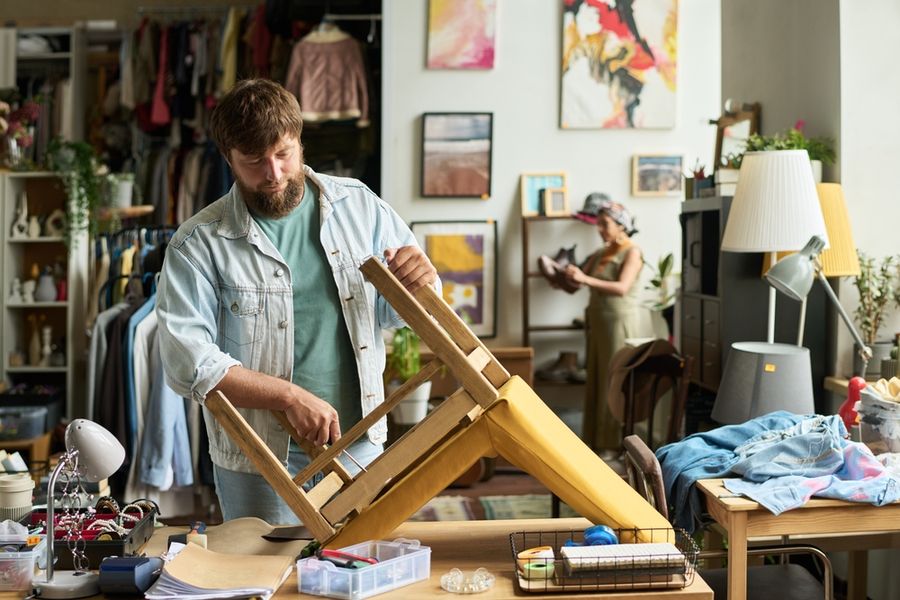
Turning someone else's unwanted belongings into something beautiful, useful, or valuable can be surprisingly satisfying. Thrift flipping combines the excitement of secondhand shopping with creativity, offering endless opportunities to give forgotten items a fresh purpose. From updating old furniture to transforming inexpensive home decor, there's plenty you can accomplish without spending a fortune. Whether you're hoping to create unique pieces for your home or earn a little extra money, thrift flipping can be a fun and rewarding hobby.
Understand What Thrift Flipping Is and How It Works
Thrift flipping involves purchasing secondhand items at affordable prices and improving, repurposing, or reselling them. Some people enjoy transforming outdated furniture into stylish pieces, while others focus on refreshing home accessories or giving old clothing a new look. The idea is to recognize potential in items that might otherwise be overlooked. For example, an inexpensive wooden side table could receive a fresh coat of paint, new hardware, and a completely different appearance with relatively little effort.
Although thrift flipping is sometimes associated with making money, it doesn't have to be a business. Many hobbyists simply enjoy creating personalized decorations, updating furniture for their homes, or making thoughtful handmade gifts. Others sell their finished projects to help fund future purchases. The appeal comes from combining creativity with the challenge of working with existing materials. Every project offers an opportunity to practice new skills, experiment with different styles, and turn an ordinary secondhand find into something special.
Know Where to Find Affordable Items Worth Flipping
Finding good thrift flipping projects starts with knowing where to shop. Thrift stores, charity shops, flea markets, garage sales, and estate sales are excellent places to look for inexpensive secondhand items. Online marketplaces can also offer worthwhile finds, especially when people are moving or clearing out unwanted belongings. Some sellers even give away furniture and household items, making local giveaway groups useful for beginners who want to practice without spending much money.
When shopping, look beyond an item's current appearance and consider what could realistically be improved. A scratched wooden stool might need only sanding and fresh paint, while a dated picture frame could look completely different with a new finish. However, avoid buying something simply because it's inexpensive. Inspect furniture for structural damage, check drawers and hinges, and look for signs of pests or excessive moisture. Make sure you have enough space to transport and work on larger pieces. Choosing affordable items in reasonably good condition gives your projects a better chance of success.
Start With Simple Projects That Don't Require Special Skills
One of the easiest ways to enjoy thrift flipping is by beginning with small projects that don't require advanced tools or extensive experience. Picture frames, decorative trays, flowerpots, wooden stools, and small shelves are excellent starting points. Many can be refreshed with basic cleaning, paint, or replacement hardware. For example, a plain wooden tray could be transformed with a new color and decorative stencil, while an outdated picture frame might look more modern with a simple matte finish.
Avoid starting with complicated furniture repairs or projects involving electrical wiring, plumbing, or major structural damage. Older painted furniture may also contain lead, so don't sand or scrape unknown finishes without appropriate testing and precautions. Choose projects that can be completed in a few hours using affordable supplies. As you become comfortable with basic techniques, you can gradually attempt larger pieces. Starting small helps you develop confidence, understand how different materials respond to refinishing, and avoid spending too much on projects that might not turn out as expected.
Gather Basic Supplies and Learn Simple Makeover Techniques
You don't need a fully equipped workshop to begin thrift flipping. A few basic supplies will handle many beginner-friendly projects, including screwdrivers, paintbrushes, painter's tape, cleaning cloths, and suitable paint. Sandpaper or sanding sponges can help prepare certain surfaces, while wood filler may be useful for repairing minor imperfections. If you're interested in updating furniture, replacement knobs and drawer pulls can also make an impressive difference without requiring complicated modifications.
Learning proper preparation techniques is especially important because a beautiful finish won't last if the surface isn't ready. Start by cleaning each item thoroughly and identifying the material before choosing products. Wood, metal, laminate, and ceramic surfaces may require different primers or finishes. Follow manufacturer instructions and work in a well-ventilated area when using paints or adhesives. Wear appropriate protective equipment when needed, and be cautious with older coatings or potentially hazardous materials. Take your time rather than rushing through preparation. A carefully cleaned and properly finished piece will generally look better and hold up longer than one painted without planning.
Learn to Spot Pieces With Real Potential
Successful thrift flipping often depends on choosing the right items rather than having exceptional artistic abilities. Beginners sometimes focus entirely on appearance, overlooking important details like construction quality, material, and repair costs. Solid wood furniture, sturdy metal accessories, and well-made decorative pieces can be excellent candidates for simple makeovers. However, inexpensive particleboard furniture with severe swelling or loose joints may not be worth repairing, even when the purchase price seems attractive.
Before buying, imagine what the finished piece could look like and estimate the effort involved. Consider whether painting, replacing hardware, or making minor cosmetic improvements would genuinely enhance its appearance. Check dimensions carefully, especially if you plan to use the item in your own home. If you're hoping to resell your projects, research comparable completed sales rather than assuming every attractive makeover will be profitable. Remember to account for supplies, transportation, selling fees, and your time. The best beginner projects are affordable, manageable, and interesting enough that you'll enjoy completing them regardless of the outcome.
Decide Whether to Keep, Gift, or Sell Your Finished Projects
Once you've completed a few thrift flips, you'll need to decide what to do with your creations. Some hobbyists enjoy decorating their homes with unique pieces that reflect their personal style. Others use thrift flipping to make affordable gifts for friends and family. A freshly painted wooden frame, updated decorative tray, or refurbished side table can feel much more personal than a mass-produced alternative. Keeping your early projects also gives you an opportunity to see how well different materials and techniques hold up over time.
If you're interested in selling finished pieces, local marketplaces, community sales, and online resale platforms can provide potential buyers. Take clear photographs in good lighting, describe the item's condition accurately, and disclose any repairs or modifications you've made. Set realistic prices based on comparable sales and your total expenses. Larger furniture may be easier to sell locally because shipping can be costly. Keep records of purchases, materials, and sales, and familiarize yourself with any applicable tax obligations. There's no pressure to turn your hobby into a business, though. Sometimes, the satisfaction of creating something beautiful is reward enough.
Give Forgotten Finds a Fresh Start
Thrift flipping is a creative, affordable hobby that encourages you to see potential where others might see something outdated or unwanted. With a little imagination and a few basic supplies, you can transform secondhand finds into useful, attractive pieces that reflect your personal style. Starting with simple projects allows you to develop practical skills without taking on complicated repairs or spending more than you're comfortable with. The process can be just as enjoyable as the finished result.
Don't worry if your first makeover isn't perfect or doesn't turn out exactly as planned. Experimenting with colors, materials, and techniques is part of learning, and even small mistakes can help improve your next project. Set a manageable budget, choose items that genuinely interest you, and resist the temptation to buy more than you can realistically finish. Whether you're refreshing home decor, making personalized gifts, or occasionally selling a completed piece, thrift flipping offers a satisfying way to combine creativity, resourcefulness, and the excitement of finding something worth saving.