

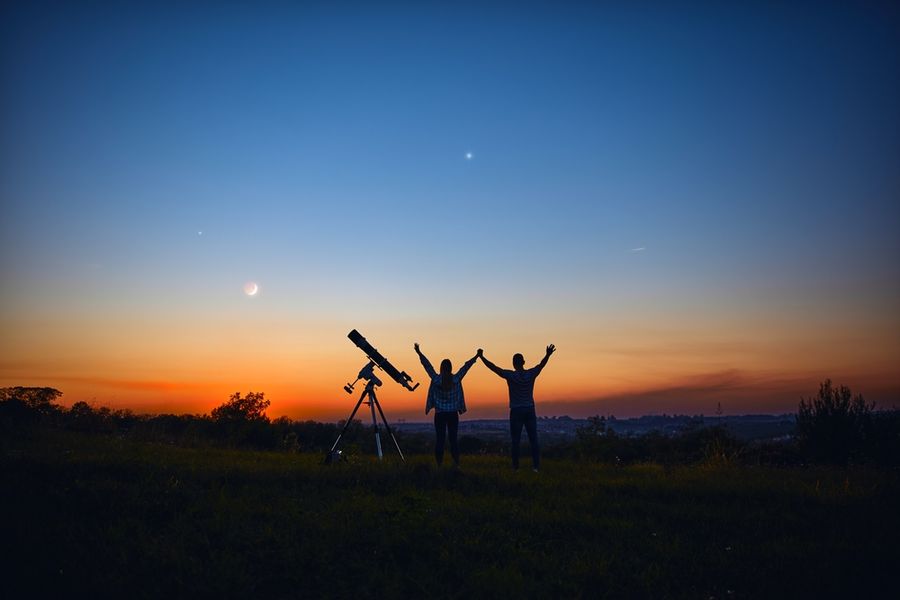
There's something magical about looking up at a clear night sky filled with stars, planets, and distant constellations. Stargazing offers a peaceful escape from everyday distractions, and you don't need an expensive telescope or extensive astronomy knowledge to enjoy it. Many fascinating celestial sights are visible to the naked eye, especially when you know where and when to look. With a little preparation and curiosity, even a simple evening outdoors can turn into an exciting adventure.
Find a Good Location Away From Bright Lights
One of the most important factors in successful stargazing is choosing the right location. Artificial lighting from buildings, streetlights, and passing vehicles can make faint stars difficult to see, especially in heavily populated areas. Known as light pollution, the problem can dramatically reduce the number of celestial objects visible in the sky. While you can still spot bright planets and major constellations from many neighborhoods, darker surroundings provide a much more impressive viewing experience.
Start by exploring local parks, open fields, or rural areas where artificial lighting is limited. You don't necessarily need to travel hours away from home to find a suitable location. Look for places with clear views of the horizon and minimal obstructions from trees or buildings. Make sure nighttime access is permitted, and choose somewhere safe and familiar. Once you've arrived, give your eyes approximately 20 to 30 minutes to adjust to the darkness. Avoid looking at bright phone screens or flashlights during that time, since doing so can interfere with your night vision.
Learn to Recognize Common Stars and Constellations
The night sky can feel overwhelming when you're first getting started, but learning a few recognizable patterns makes everything more approachable. Constellations are groups of stars that appear to form familiar shapes when viewed from Earth. Some are easier to identify than others, making them excellent starting points for beginners. The Big Dipper, for example, is a recognizable star pattern within Ursa Major and can help observers in the Northern Hemisphere locate Polaris, commonly known as the North Star.
Rather than trying to memorize dozens of constellations immediately, focus on identifying two or three during each outing. Orion is a popular target during Northern Hemisphere winter evenings, while the Summer Triangle is easy to recognize during warmer months. Remember that visible constellations change throughout the year and depend on your geographic location. A simple printed star chart can help you understand where to look. As you become familiar with the brighter stars and patterns, identifying additional celestial objects will feel much easier.
Use Stargazing Apps to Explore the Night Sky
Modern technology has made amateur astronomy much more accessible, particularly for beginners who aren't familiar with star charts. Several smartphone applications can identify stars, constellations, planets, and other celestial objects using your location and the direction you're pointing your phone. Stellarium Mobile is a popular option that displays a realistic representation of the night sky and allows users to identify objects in real time. It also offers features for planning future observations and learning about different constellations.
Another useful option is Sky Tonight, which provides an interactive sky map, information about upcoming celestial events, and tools for locating planets and stars. Both applications offer basic features without requiring expensive equipment, although optional paid upgrades are available. Stellarium also has a desktop version for anyone who prefers planning observations on a computer. Before heading outdoors, download your preferred app and familiarize yourself with its controls. When possible, activate a red-colored night mode and reduce your screen brightness to help preserve your night vision while observing the sky.
Know the Best Times to Go Stargazing
Timing can make a significant difference in what you'll see during a stargazing session. Clear skies are essential, since clouds can block stars and planets from view. The Moon's phase also matters because bright moonlight can make faint celestial objects harder to observe. Nights around the new moon are particularly good for seeing star-filled skies, while a bright full moon is better suited to simply admiring the lunar landscape.
Before heading outside, check the weather forecast, Moon phase, and expected visibility conditions. If you're interested in meteor showers, research when major annual events typically occur and whether viewing conditions will be favorable. The Perseids in August and Geminids in December are popular examples, although actual visibility depends on weather, moonlight, and location. You can also watch for opportunities to observe bright planets, which may be visible even when conditions aren't ideal for faint stars. Planning around specific events adds excitement to the hobby and gives you something interesting to look forward to throughout the year.
Consider Binoculars Before Buying a Telescope
Although stargazing doesn't require specialized equipment, binoculars are an excellent first purchase if you'd like to see more detail. A basic pair can reveal features that aren't easily visible to the naked eye, including additional stars within clusters and some details on the Moon's surface. Binoculars are also portable, relatively affordable, and easier to use than many beginner telescopes. They're particularly useful for exploring larger sections of the sky without constantly adjusting complicated equipment.
For beginners, binoculars with specifications such as 7x35, 7x50, or 10x50 are worth considering. The first number represents magnification, while the second indicates the diameter of the objective lenses in millimeters. NASA recommends binoculars within approximately that range as practical starting equipment for amateur astronomers. If you eventually want a telescope, look for a stable mount and simple controls rather than choosing a model based solely on advertised magnification. Attending a local astronomy club's observing event can also help you try different instruments before spending money.
Make Your Stargazing Experience Comfortable and Enjoyable
A successful stargazing session isn't just about finding interesting objects in the sky. Comfort and preparation can make the difference between a relaxing evening and one that ends early because you're cold, tired, or uncomfortable. Temperatures often drop significantly after sunset, even during warmer months, so dressing in layers is a good idea. A reclining outdoor chair, blanket, and comfortable footwear can make extended viewing sessions much more enjoyable.
Bring a flashlight with a red-light setting, drinking water, and any snacks you might want during your outing. Red lighting is less disruptive to your dark-adapted vision than bright white light. If you're visiting a remote location, let someone know where you're going and check whether the area has reliable phone service. You might also consider keeping a simple stargazing journal to record the objects you observe, weather conditions, and interesting discoveries. Over time, your notes can help you recognize seasonal changes and appreciate how much you've learned about the night sky.
The Best Stargazing Adventures Start With Curiosity
Stargazing is one of the most accessible hobbies because the night sky is available to anyone willing to look up. You don't need an expensive telescope, advanced scientific knowledge, or a remote observatory to enjoy the experience. Learning a handful of constellations, choosing a darker viewing location, and paying attention to celestial events can make ordinary evenings feel surprisingly exciting. Even spotting a familiar planet or recognizing a constellation for the first time can create a memorable sense of accomplishment.
Start with short observing sessions and gradually expand your knowledge as your interest grows. Some nights may offer spectacular views, while others might be better suited to watching the Moon or simply enjoying a quiet evening outdoors. Don't worry about identifying every star or understanding complicated astronomy concepts immediately. The greatest enjoyment often comes from slowing down, noticing something new, and appreciating the enormous universe above you. With patience, practice, and a little curiosity, stargazing can become a rewarding hobby that costs very little but offers endless opportunities for discovery.