

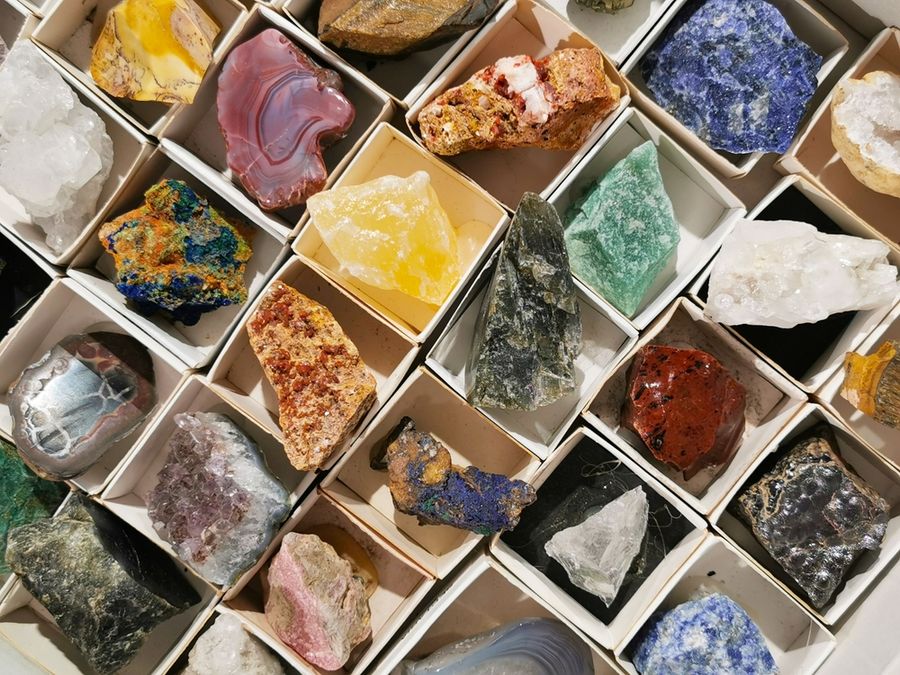
Rock collecting is more fascinating than you might expect, especially when you realize how much history can be hidden inside an ordinary stone. From colorful minerals and sparkling crystals to unusual patterns formed over millions of years, there's plenty to admire in the natural world. Best of all, getting started doesn't require expensive equipment or advanced geological knowledge. With a little curiosity and a willingness to spend time outdoors, you can build a unique collection while learning about Earth's incredible geological history.
Learn the Basics of Rocks and Minerals
Before heading outdoors, it helps to understand what you're actually looking for. Rocks and minerals aren't quite the same thing. Minerals are naturally occurring solids with specific chemical compositions and ordered internal structures, while rocks are made of one or more minerals or other geological materials. Geologists generally divide rocks into three categories: igneous, sedimentary, and metamorphic. Igneous rocks form when molten material cools, sedimentary rocks develop through the accumulation and cementation of materials, and metamorphic rocks are changed by heat and pressure.
You don't need to memorize complicated geological terms to enjoy collecting. Start by becoming familiar with common examples like granite, basalt, sandstone, limestone, and quartz. Notice how their colors, textures, and patterns differ. Granite often contains visible mineral grains, while sandstone may have a rough, gritty texture. Quartz can appear glassy and comes in several colors. Learning to recognize basic characteristics makes identifying unfamiliar specimens easier and adds another layer of excitement to every discovery.
Find Good Places to Look for Interesting Rocks
One of the most enjoyable parts of rock collecting is exploring different landscapes in search of unusual specimens. Streambeds, rocky hillsides, gravel deposits, and certain beaches can reveal interesting stones shaped by natural weathering and erosion. Areas with exposed rock formations may also provide opportunities to observe geological layers and mineral deposits. However, not every location allows collecting, so it's important to understand the rules before removing anything from the ground.
In the United States, many Bureau of Land Management properties permit limited recreational rock collecting for personal use, although restrictions apply to protected areas, active mining claims, and certain other locations. National parks generally prohibit removing rocks and minerals. Private property requires the owner's permission, and state parks have their own regulations. Check with the appropriate land management agency before visiting a potential collecting site. Local rockhounding clubs can also recommend beginner-friendly locations where collecting is permitted. Starting somewhere accessible and legally open to collecting makes your first outing much more enjoyable.
Gather a Few Basic Rock Collecting Tools
You don't need a professional geologist's equipment to begin rock collecting. A small backpack, sturdy shoes, and a few simple tools are enough for most beginner outings. A magnifying glass or inexpensive 10x hand lens can help you examine tiny crystals, mineral grains, and interesting surface details. Small cloth bags or padded containers are useful for transporting specimens without scratching delicate surfaces. Bringing a notebook and pencil also allows you to record where each rock was found.
As your interest grows, you might consider purchasing a geological hammer, safety goggles, and a small field guide. However, a hammer isn't necessary for casual surface collecting, and breaking rocks should only be attempted where permitted and with appropriate protective equipment. Never strike unknown mineral samples that may contain hazardous materials. A water bottle, sunscreen, first-aid supplies, and weather-appropriate clothing are also important when exploring outdoors. Focus on collecting loose, manageable specimens rather than carrying heavy rocks long distances. Simple equipment makes it easier to enjoy the search without turning your hobby into an expensive investment.
Learn How to Identify Your Rock Collection
Finding an unusual rock is exciting, but figuring out what you've discovered can be even more rewarding. Start by examining its color, texture, weight, and visible mineral grains. Some specimens have smooth surfaces, while others contain sparkling crystals or distinctive layers. Mineral identification often involves observing characteristics such as luster, hardness, and streak. Luster describes how a mineral reflects light, while streak refers to the color of its powdered form when rubbed against an appropriate unglazed porcelain plate.
Hardness can also provide useful clues. Geologists use the Mohs scale to compare how easily minerals scratch one another. For example, quartz has a hardness of 7, while calcite measures 3. However, color alone isn't a reliable identification method because many minerals occur in different shades. Use a beginner rock identification book or reputable geological resources to compare your observations. Apps that analyze photographs can suggest possibilities, but their results aren't always accurate. If you're uncertain, a local rockhounding club or geology museum may be able to help identify your finds.
Clean, Label, and Organize Your Finds
Once you've brought your specimens home, taking care of them will help preserve their appearance and make your collection easier to enjoy. Many ordinary rocks can be cleaned gently with water and a soft brush to remove loose dirt. However, some minerals are water-sensitive, fragile, or easily damaged by cleaning products. Before washing an unfamiliar specimen, research its likely composition and appropriate care requirements. Avoid harsh chemicals, abrasive tools, and household cleaners that could permanently damage delicate surfaces.
Labeling is just as important as cleaning. Record where and when you found each specimen, along with any identifying features or geological information you've learned. Small paper labels, divided storage boxes, or individual containers can help keep everything organized. If you enjoy displaying your collection, consider arranging specimens on a shelf or inside a glass-fronted cabinet. Keep fragile minerals away from direct sunlight and excessive handling when appropriate. A well-organized collection makes it easier to compare specimens, track your discoveries, and appreciate how your knowledge develops over time.
Practice Safe and Responsible Rock Collecting
Rock collecting is generally an enjoyable outdoor hobby, but safety and environmental responsibility should always come first. Rocky slopes, loose gravel, steep terrain, and changing weather conditions can create unexpected hazards. Beginners should avoid entering abandoned mines, unstable caves, or active quarry sites without authorized supervision. Even areas that appear accessible may contain dangerous openings, falling rocks, or restricted property. It's also important to remember that some mineral specimens may contain hazardous substances, making careful handling essential.
Before heading out, research the location, check the weather, and let someone know where you're going. Wear sturdy footwear and carry enough water for the conditions. Collect only where permitted, follow applicable quantity limits, and avoid damaging vegetation or disturbing wildlife habitats. Never remove archaeological artifacts or protected fossils, which may be subject to separate legal restrictions. The Bureau of Land Management encourages responsible collecting that minimizes disturbance to public lands and protects resources for future visitors. Taking only a few meaningful specimens often creates a more interesting collection than gathering everything you see.
Every Rock Has a Story Worth Discovering
Rock collecting is a wonderful hobby because it combines outdoor exploration, scientific curiosity, and the simple excitement of finding something unusual. You don't need to travel to remote mountains or purchase expensive equipment to begin. Learning basic geological characteristics, exploring permitted collecting areas, and practicing simple identification techniques can make even a modest collection fascinating. Every specimen offers an opportunity to understand more about the forces that shaped the natural world.
Start with a handful of interesting rocks and build your collection gradually as your knowledge grows. You might discover a particular interest in colorful minerals, unusual crystal formations, or rocks found near rivers and coastlines. Consider joining a local rockhounding club, visiting a mineral show, or exploring geological exhibits for additional inspiration. Most importantly, enjoy the process of searching, learning, and making new discoveries. With patience and curiosity, an ordinary stone can become a meaningful reminder of an outdoor adventure and a fascinating piece of Earth's history.