

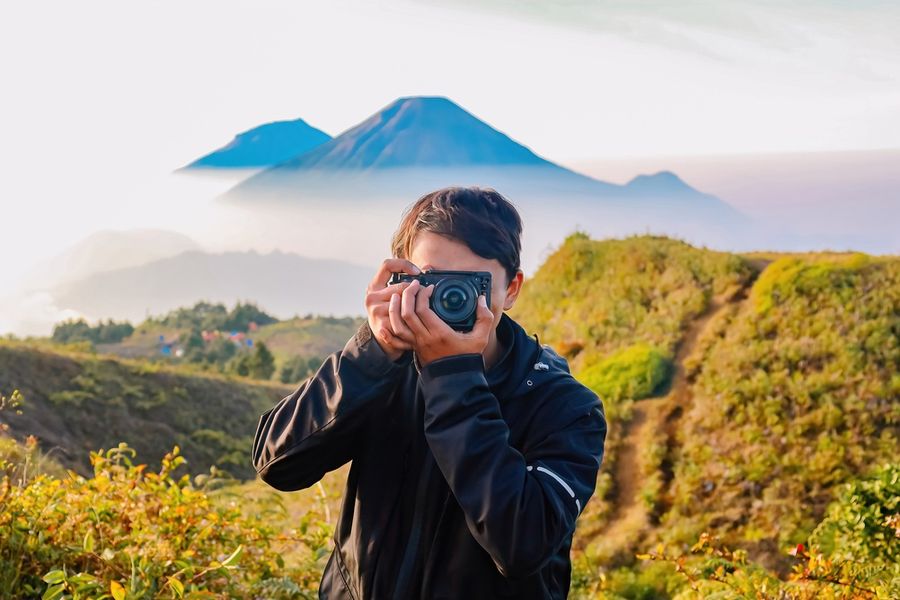
Nature photography offers a wonderful excuse to slow down, head outdoors, and appreciate the beauty hiding in everyday surroundings. From colorful flowers and dramatic landscapes to birds resting on branches, interesting subjects are everywhere once you start looking. Best of all, you don't need an expensive camera or professional training to capture beautiful images. With a little creativity, patience, and practice, anyone can turn an ordinary walk through a park or backyard into an exciting photography adventure.
Start With the Camera You Already Have
One of the biggest misconceptions about nature photography is that you need expensive equipment to get started. While professional cameras offer advanced features, modern smartphones can capture impressive photographs of landscapes, flowers, and other outdoor subjects. Their automatic settings make it easy to experiment without learning complicated camera controls. If you already own a digital camera, that's perfectly fine too. The most important thing is becoming comfortable with whatever equipment you have rather than spending money before understanding what you actually need.
Start by exploring your camera's basic features, including focus, exposure, zoom, and shooting modes. Smartphone users can experiment with portrait mode, gridlines, and exposure adjustments to improve their photographs. Avoid relying heavily on digital zoom, which can reduce image quality. Instead, move closer when it's safe and appropriate, particularly when photographing stationary subjects like flowers or rocks. As your skills develop, you may eventually want a camera with interchangeable lenses or better wildlife capabilities. For now, focus on practicing regularly and learning how to capture appealing images with the tools already available.
Learn to Work With Natural Lighting
Lighting is one of the most important elements of nature photography, and understanding how it affects your pictures can make a noticeable difference. Bright midday sunlight often creates harsh shadows, washed-out colors, and strong contrasts that are difficult to photograph. Softer light tends to produce more flattering results, especially when capturing landscapes, flowers, and natural textures. The hour after sunrise and the period before sunset are particularly popular because the warm, gentle light can add beautiful depth and color to outdoor scenes.
Try photographing the same subject at different times of day to see how dramatically the results change. Early morning light may highlight dew on leaves, while evening sunlight can give trees and mountains a warm glow. Overcast days are also excellent for photographing flowers, forests, and waterfalls because clouds help diffuse harsh sunlight. Pay attention to where the light is coming from and how shadows fall across your subject. Rather than always shooting with the sun behind you, experiment with side lighting or backlighting to create more interesting photographs.
Practice Composition to Make Your Photos Stand Out
A beautiful subject doesn't automatically guarantee a beautiful photograph. Composition, or how you arrange elements within the frame, plays an important role in creating interesting images. Beginners often place their subject directly in the center without considering the surrounding landscape. While centered compositions can work well, experimenting with different placements can produce more engaging results. One useful technique is the rule of thirds, which involves dividing the frame into nine equal sections and positioning important elements along the lines or intersections.
Many smartphone and digital cameras include an optional grid that makes practicing easier. Try placing a flower slightly off-center or positioning the horizon along the upper or lower third of a landscape photograph. Leading lines, such as winding trails, rivers, or rows of trees, can also guide the viewer's attention through the image. Pay attention to distracting objects in the background, including branches or signs that might take attention away from your subject. Sometimes, simply changing your shooting angle or moving a few steps produces a much stronger photograph.
Find Interesting Subjects Close to Home
You don't need to travel to a national park or remote wilderness area to find beautiful nature photography opportunities. Your backyard, neighborhood park, local walking trails, and nearby gardens can provide an incredible variety of subjects. Flowers, insects, tree bark, fallen leaves, and interesting cloud formations all offer opportunities to practice. Even a small patch of greenery can reveal surprising details when you take the time to look closely. Familiar locations are particularly useful because you can return regularly and photograph changing conditions.
Challenge yourself to photograph something different during each outing. One day, focus on colorful flowers or unusual leaf patterns. Another day, look for reflections in puddles, interesting shadows, or birds visiting nearby trees. Seasonal changes also provide fresh inspiration, from spring blossoms to autumn foliage and winter frost. If you're interested in wildlife, observe animals from a respectful distance and avoid disturbing nests or natural habitats. Developing an eye for ordinary outdoor details is one of the most rewarding parts of nature photography.
Be Patient When Photographing Wildlife
Wildlife photography can be especially exciting, but it also requires more patience than photographing stationary subjects. Birds, squirrels, butterflies, and other animals rarely remain perfectly still while you prepare your camera. Sudden movements or loud noises may frighten them away, making it difficult to capture a clear image. Beginners sometimes become frustrated when animals move unexpectedly, or photographs turn out blurry. However, learning to observe wildlife behavior is just as important as developing your technical photography skills.
Start with animals you're likely to encounter regularly, such as backyard birds or squirrels in a local park. Find a comfortable location, remain relatively still, and allow wildlife to continue its natural activities. If your camera offers burst mode, try taking several photographs in quick succession to improve your chances of capturing an interesting moment. A telephoto lens can be helpful for photographing distant animals, but it isn't necessary for every situation. Never chase, feed, or approach wildlife simply to get a better picture. Respectful observation protects animals while often producing more natural and memorable photographs.
Edit Your Photos Without Overdoing It
Taking a photograph is only part of the creative process. Basic editing can help improve exposure, correct colors, and highlight details that weren't immediately noticeable in the original image. Most smartphones include built-in editing tools, making it easy to adjust brightness, contrast, shadows, and saturation without purchasing additional software. Beginner-friendly applications such as Snapseed and Lightroom also offer useful editing features for anyone interested in experimenting beyond their phone's standard controls.
Start with small adjustments rather than applying dramatic filters to every photograph. If an image looks too dark, gently increase the exposure or brighten the shadows. Cropping can improve composition by removing distracting objects or bringing more attention to the main subject. Be careful with saturation, since excessive color adjustments can make landscapes and wildlife appear unnatural. It's also worth keeping the original photograph so you can compare different edits or return to the unaltered version later. Developing a consistent editing style takes practice, but subtle improvements are often more effective than dramatic changes.
Let Curiosity Guide Your Photography Adventures
Getting started with nature photography doesn't require expensive equipment, exotic destinations, or years of technical experience. The most important skills develop through observation, experimentation, and regular practice. Learning to recognize beautiful lighting, arrange interesting compositions, and notice small details can transform everyday outdoor scenes into memorable photographs. Some outings may produce several images you love, while others simply give you an opportunity to experiment and enjoy spending time outside.
Don't feel pressured to capture perfect photographs every time you pick up your camera. Set small goals, such as photographing five different flowers, capturing an interesting sunset, or experimenting with a new composition technique. Review your images afterward and consider what worked well and what you might change next time. As your confidence grows, you can explore new locations, experiment with equipment, or develop an interest in particular subjects. Nature photography is ultimately about enjoying the process, appreciating your surroundings, and learning to see familiar places in a completely different way.